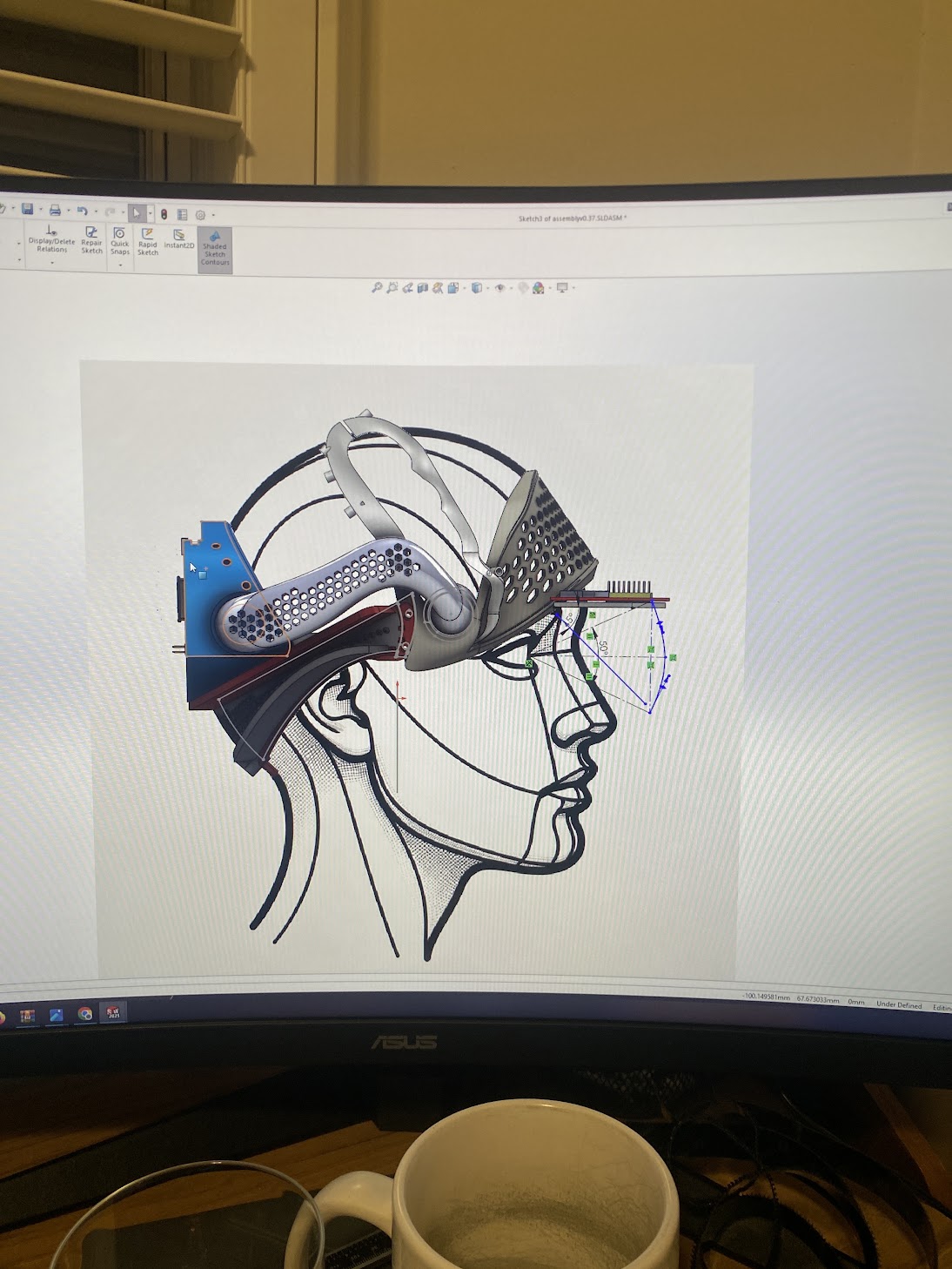
Photon Headset - Augmented reality for vision assistance
Daniel Siegel2023-2024 / during gap year before college
Summary
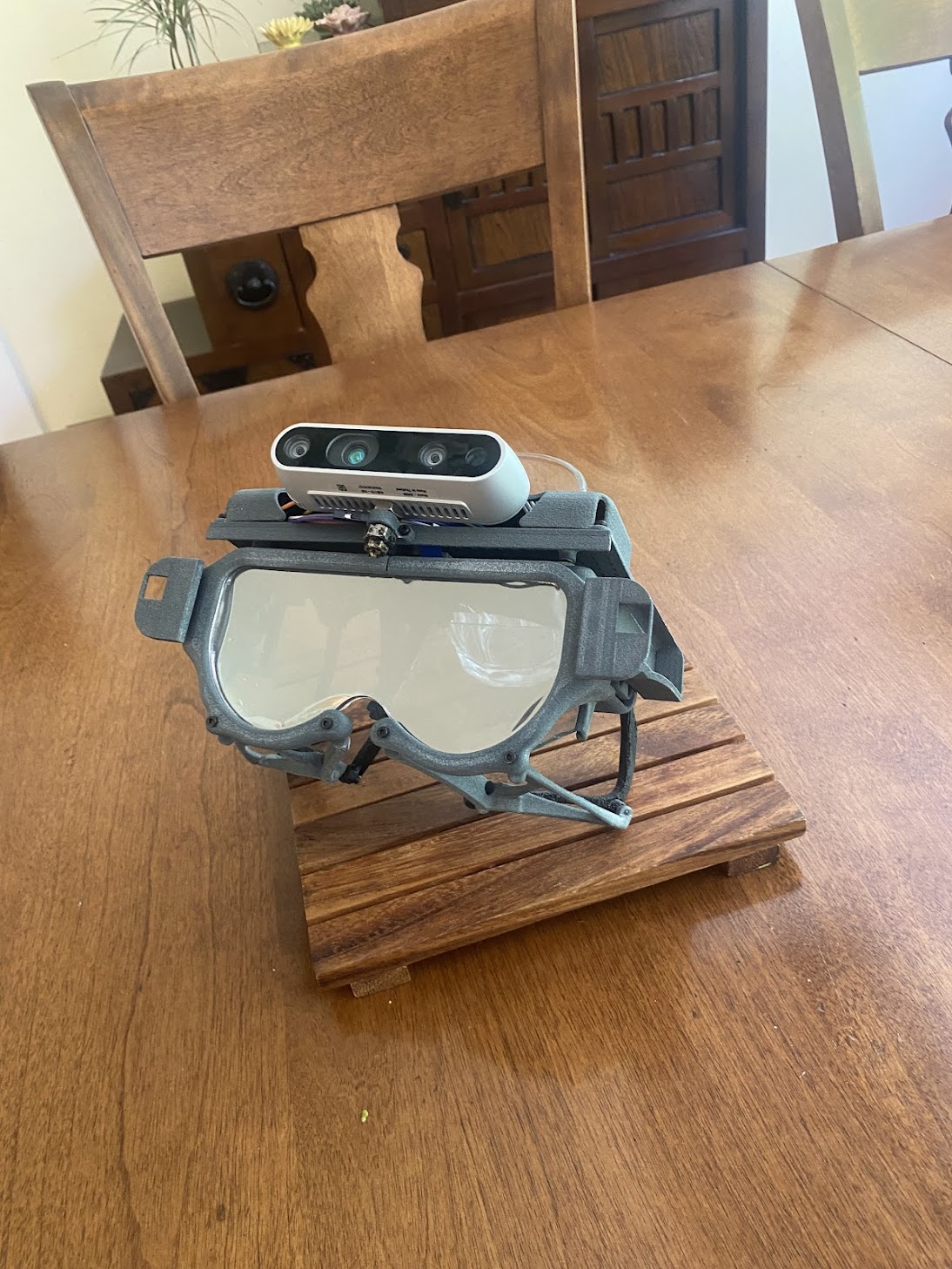
I was curious about retinal projection. It seemed very sci-fi: no screens in front of the eye at all, with the image drawn directly onto the retina instead. I tried a few AR headsets at CES 2024 (that year it was the 'big thing' in consumer electronics) and was pretty disappointed by the bulkiness of the displays, and wanted to see if I could come up with something better. This page is documentation of the various research projects I did in order to try to simulate, replicate, and iterate on that fiction: an AR headset for vision assistance (navigation, obstacle avoidance, depth perception for visually impaired users), built around 3D-printed optics, eye tracking, and a steering mirror.
In the end it did not work. I was naive and overly optimistic about the precision of the admittedly limited arsenal of manufacturing equipment I was using (a couple of few-hundred-dollar printers) when realistically I needed an industry-grade lithography machine to manufacture the optical components. But hey, you only find this stuff out by trying (and failing).
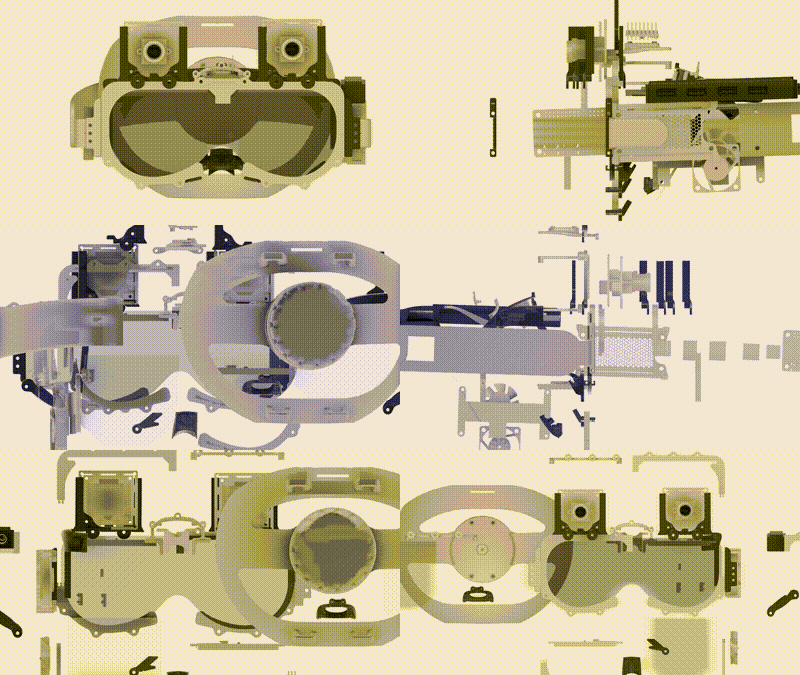
How It Works
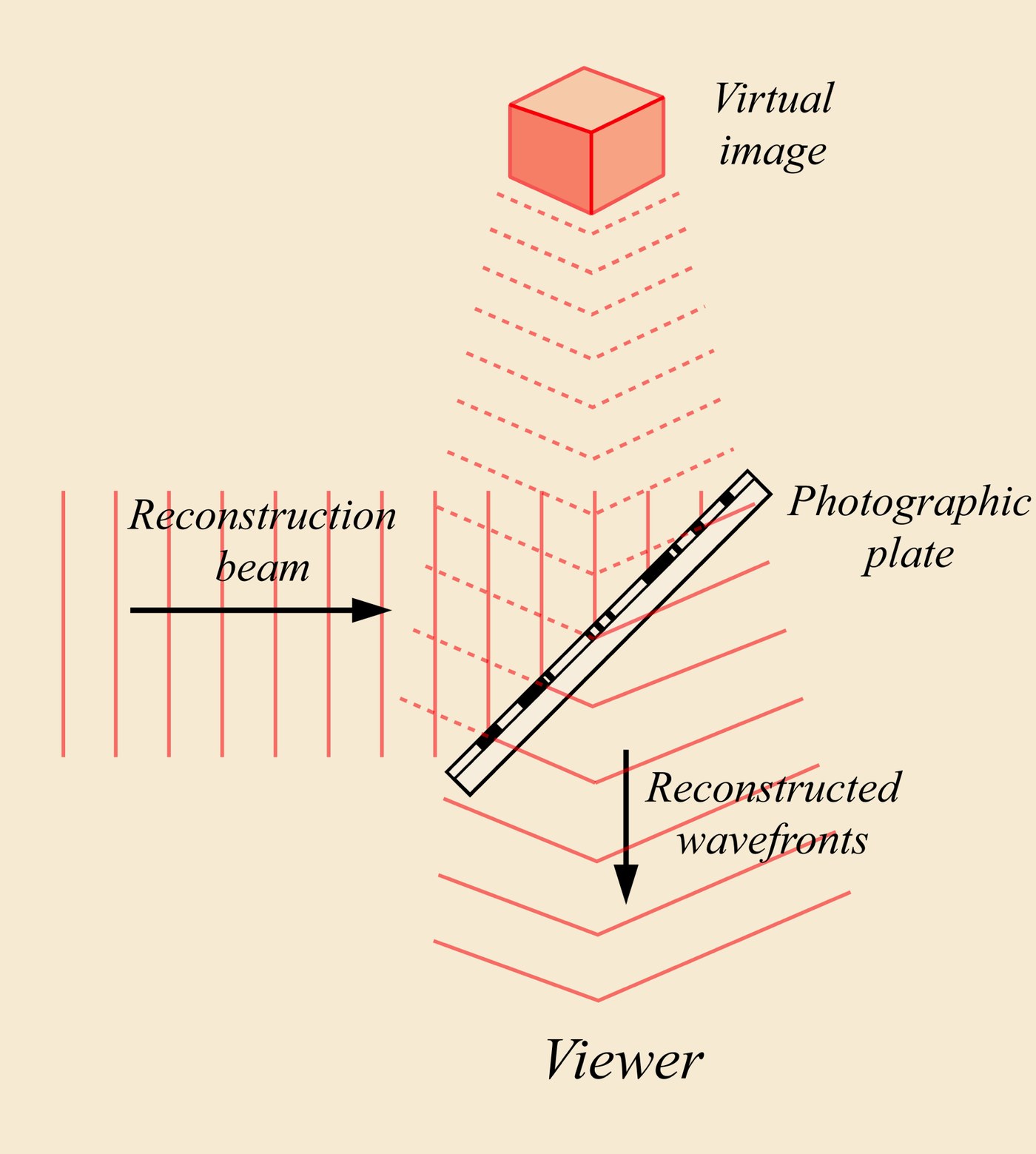
The concept[1]: instead of a display panel, a beam is steered and shaped so the wavefronts arriving at the eye appear to come from objects in the world. Done right, that makes visuals sharper and easier to follow for low-vision users. The design had a steering mirror scanning the image across the eye while eye tracking followed the user's gaze, adjusting the projection in real time.
The hard part of retinal projection is the eye-box: the small region where the projected image is actually visible. The design attacked it two ways. Small actuators would adjust the lens position in real time as the eye moves, and the optical system was shaped around a wide field of view so the image stays usable across it. Most of the project was spent finding out how far these ideas could be pushed with 3D-printed optics; the honest answer turned out to be "not far enough," but the attempts are documented below.
Optics Simulation
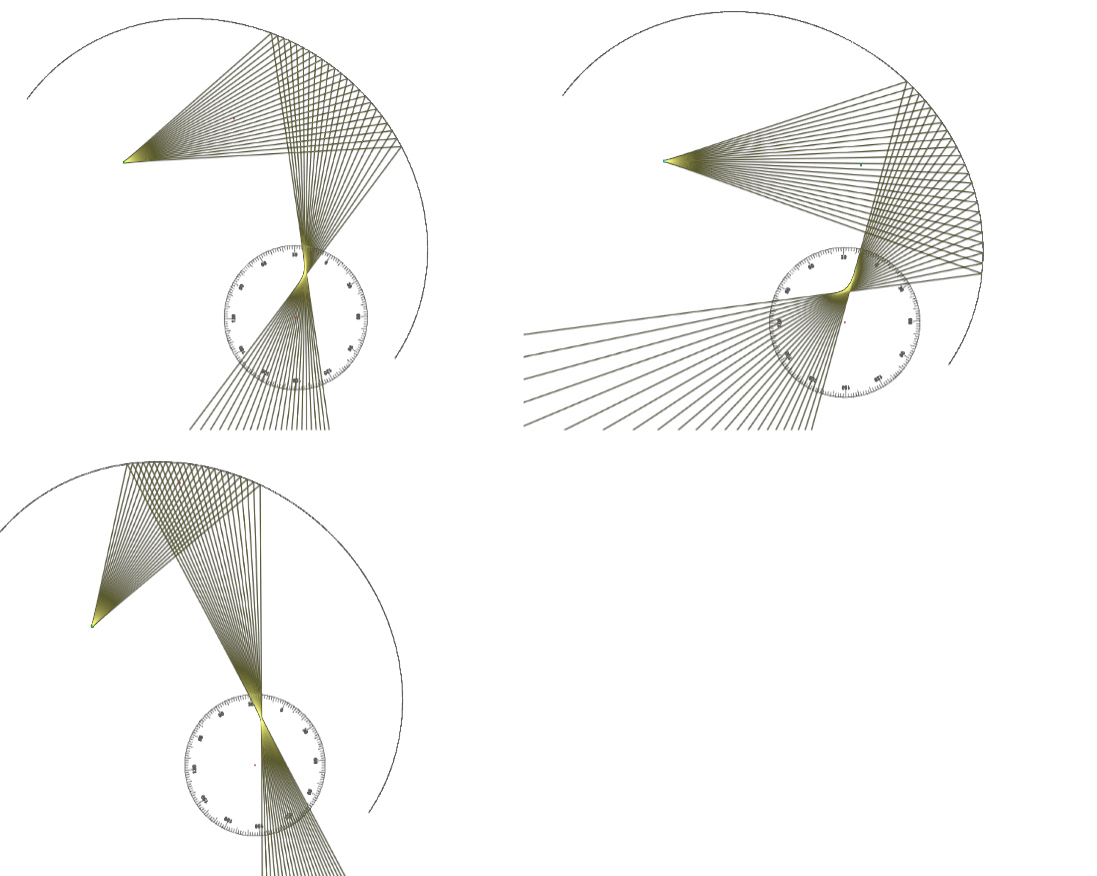
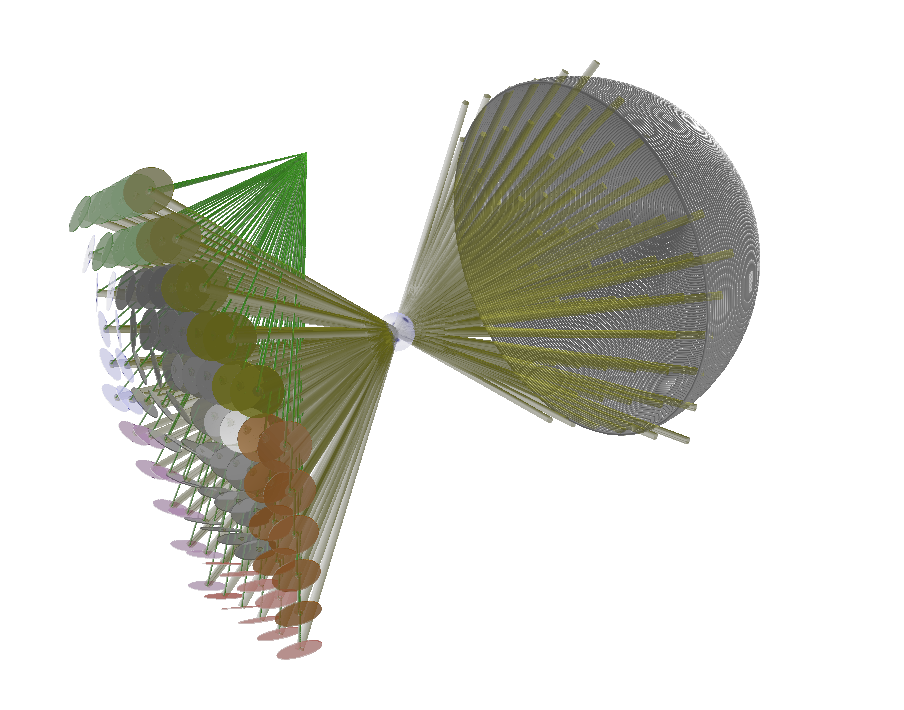
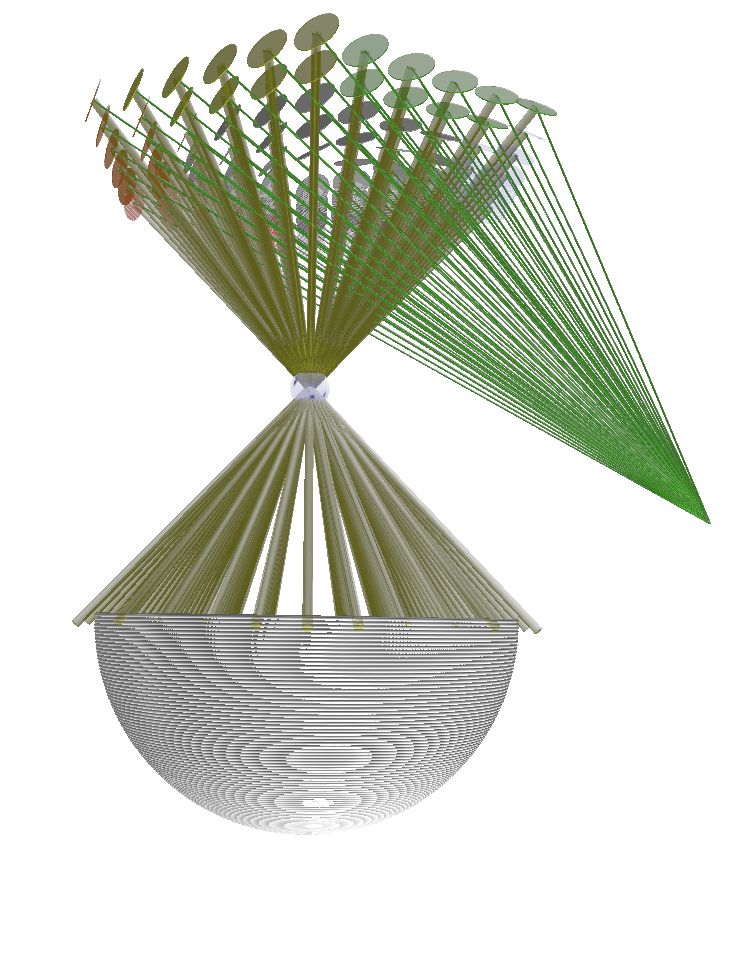
Before printing anything, the optical path was simulated end to end. Flat 2D ray tracing[2] worked out the steering angles and mirror placement; a full 3D ray tracer then modeled the mirror array itself, following every element's reflection as the rays converge through the pupil position[3] and land on a model of the retina[4].
The Mirror Array
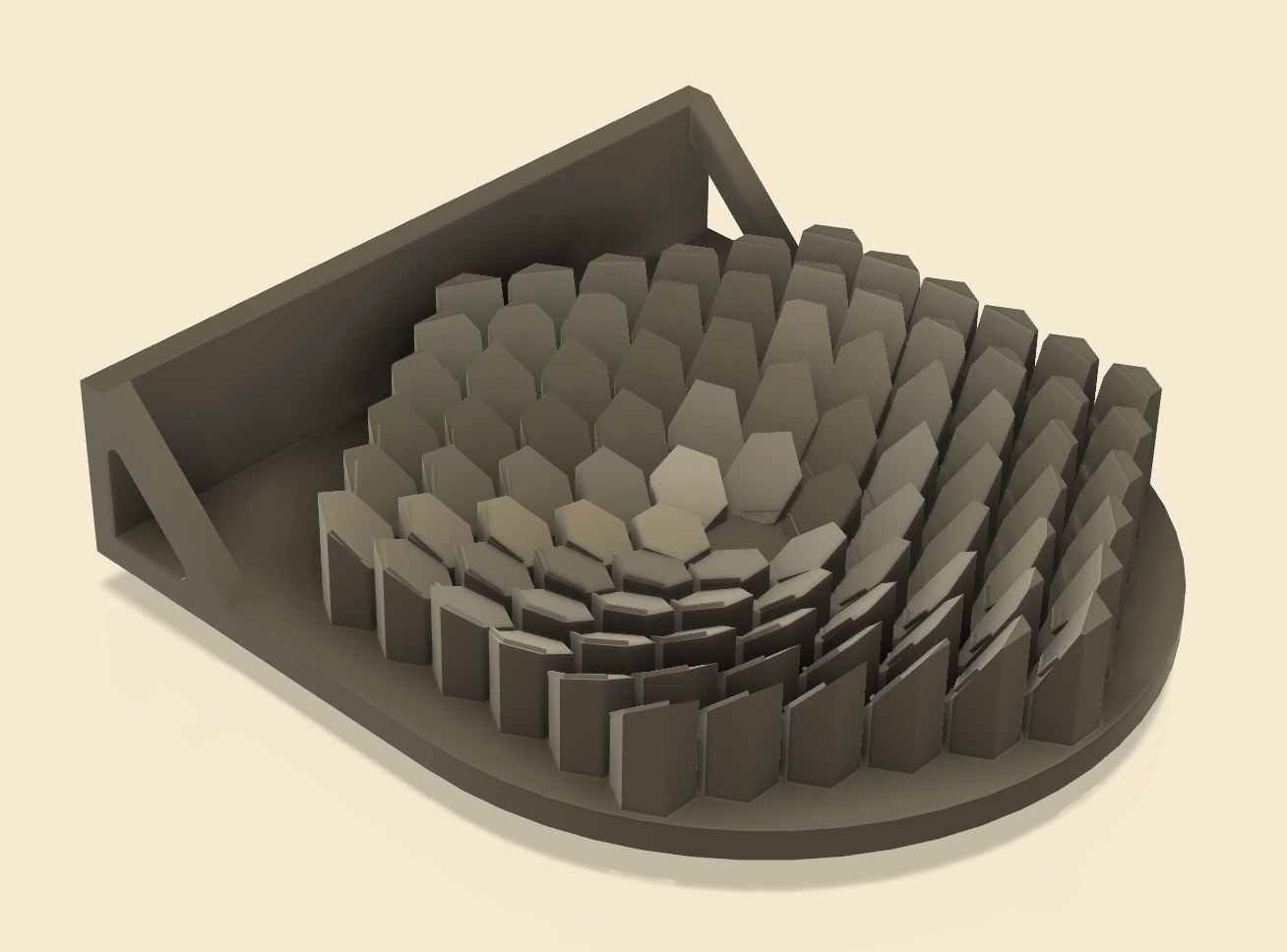
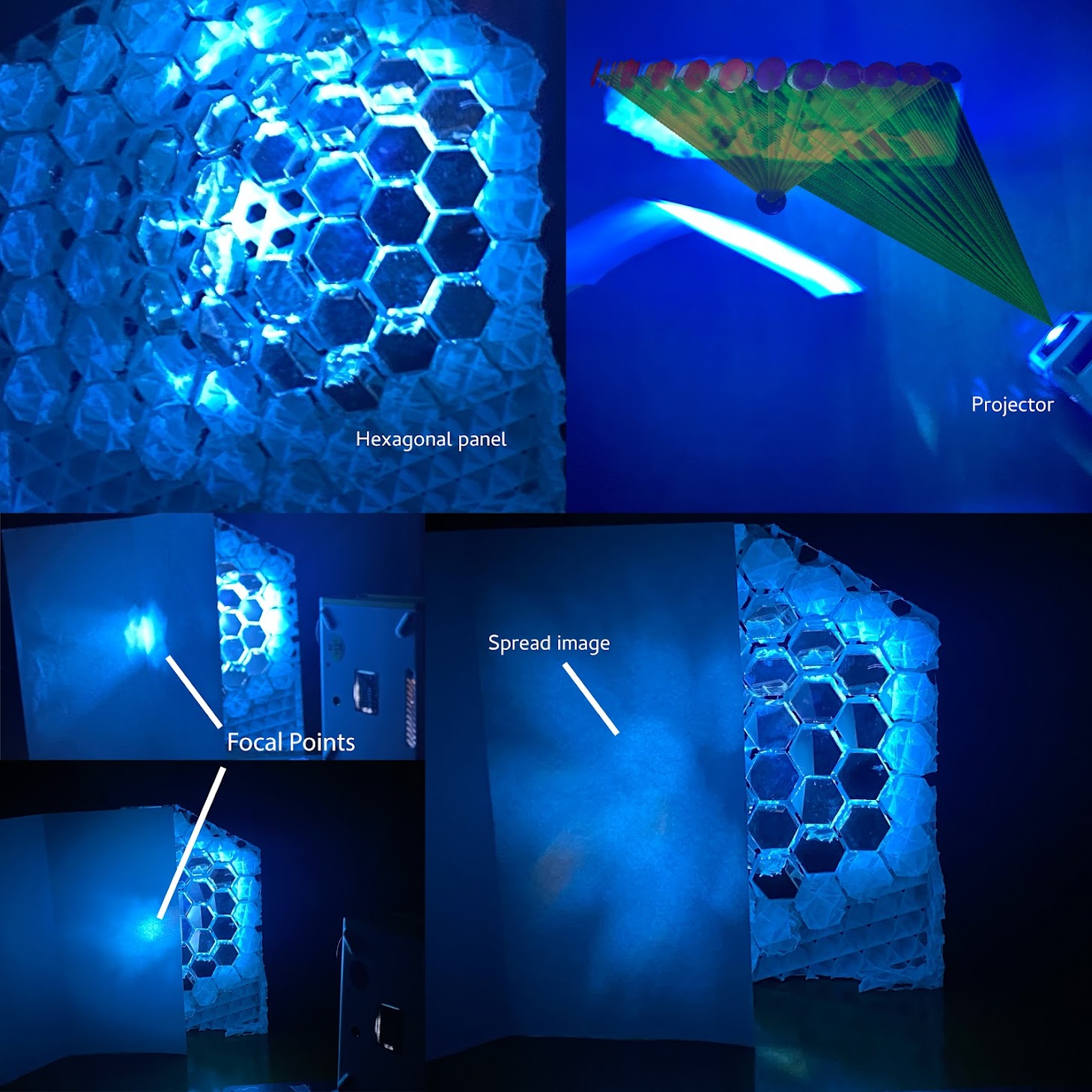
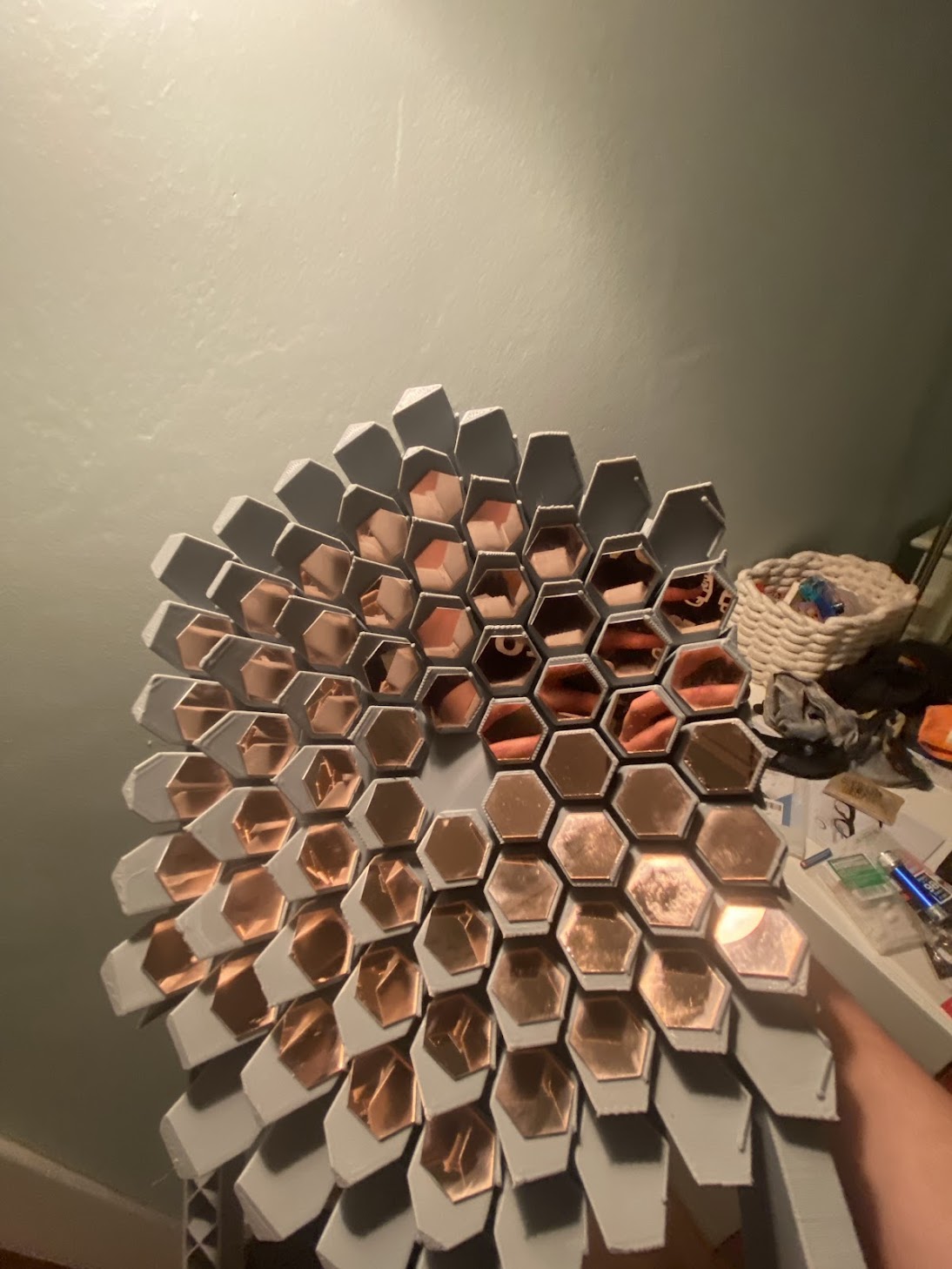
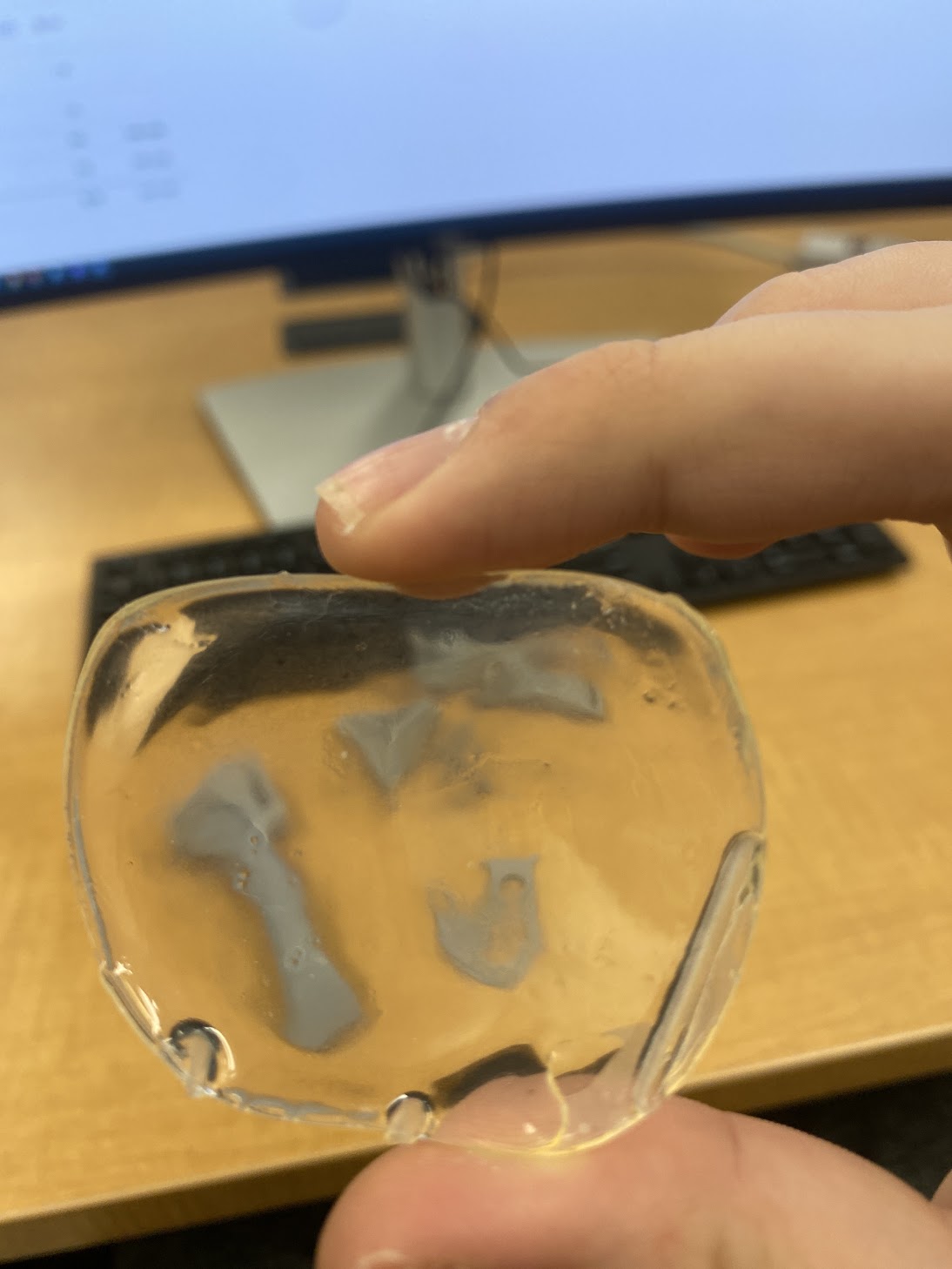
The core optical component is a 3D-printed hexagonal mirror array[5]: a honeycomb of small facets, each set at its own angle so that every element reflects the projected image toward the same point[6]. Printing the geometry instead of grinding glass is what keeps the headset affordable, and the honeycomb went through many CAD iterations[7] to get the facet angles, spacing, and printability right.
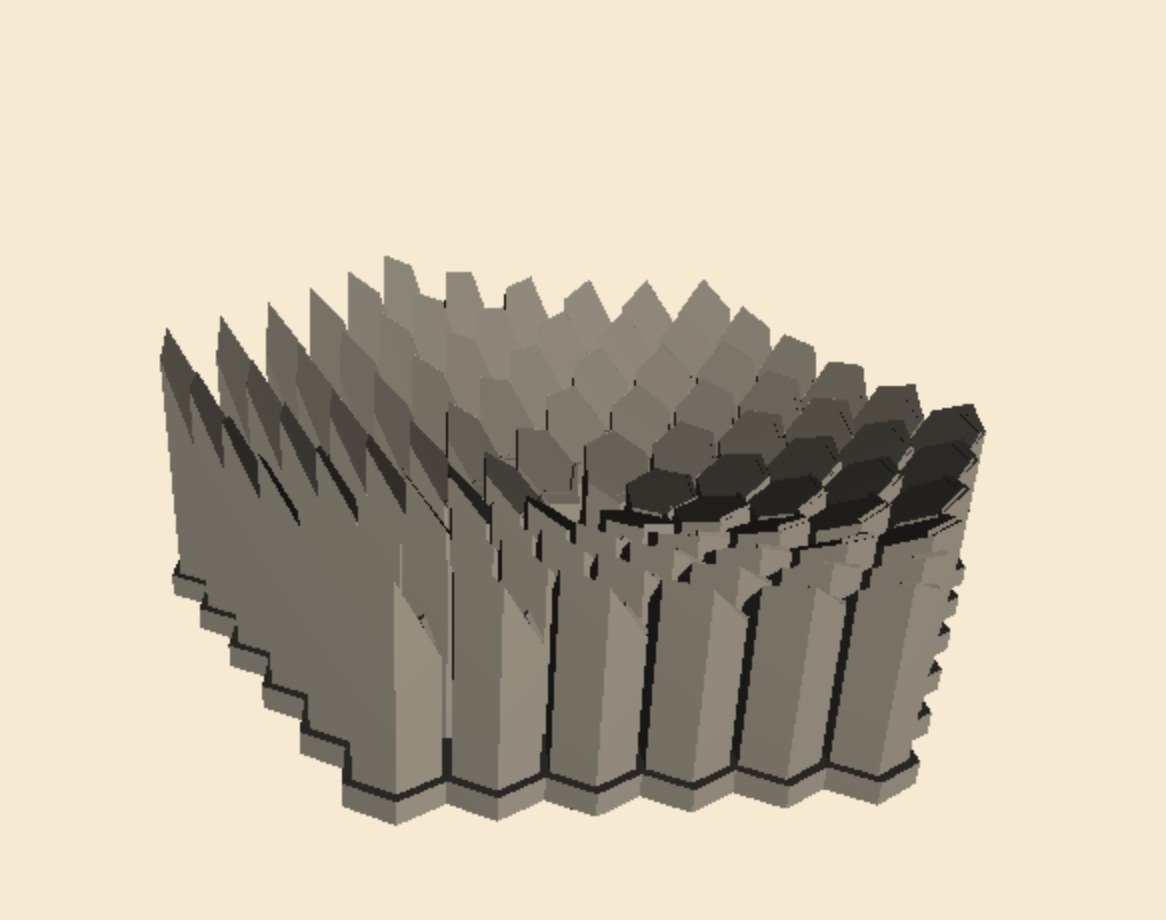
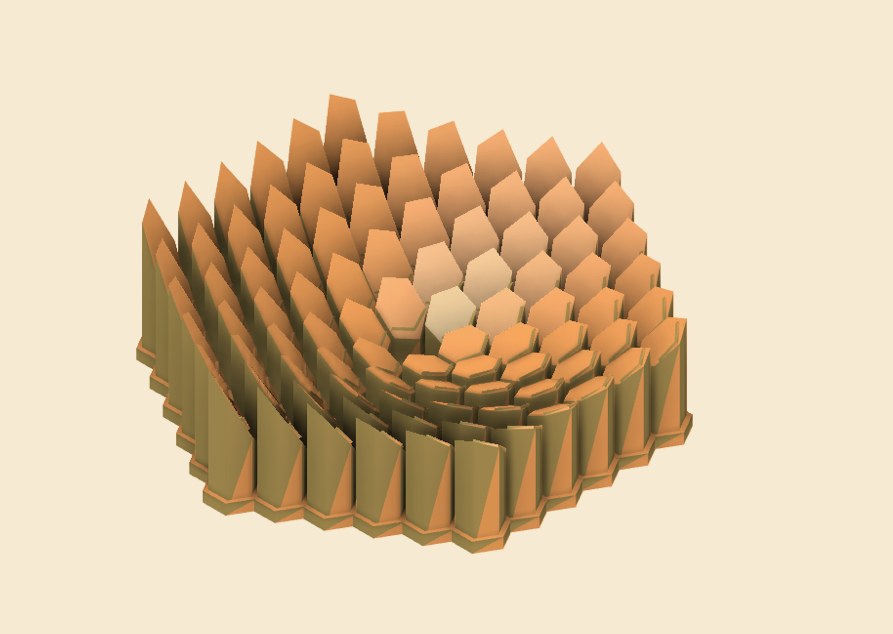
The printed-optics direction was inspired by some 3D-printed optics projects by Andy Kong: for the sake of transparency, plus this one and this one.
I was curious about the feasibility of the optical system I had designed, so I emailed Dr. Mark Schnitzer from Stanford (I later ended up working in his lab!) and he basically told me that anything I could fabricate myself with a resin printer or otherwise inexpensive machinery would produce far too much aberration and would distort the image reflected onto the retina beyond recognition.
Development Process
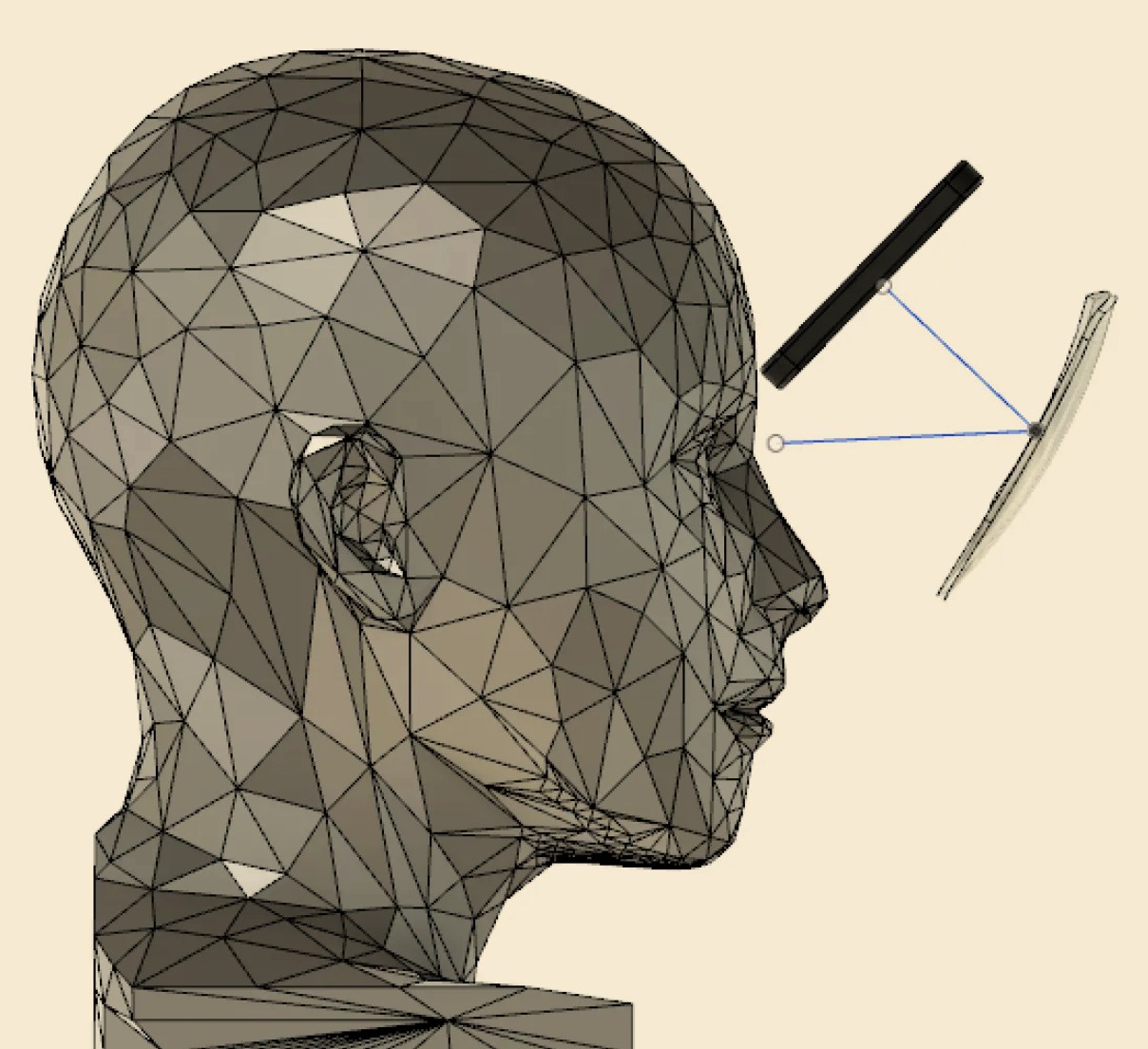
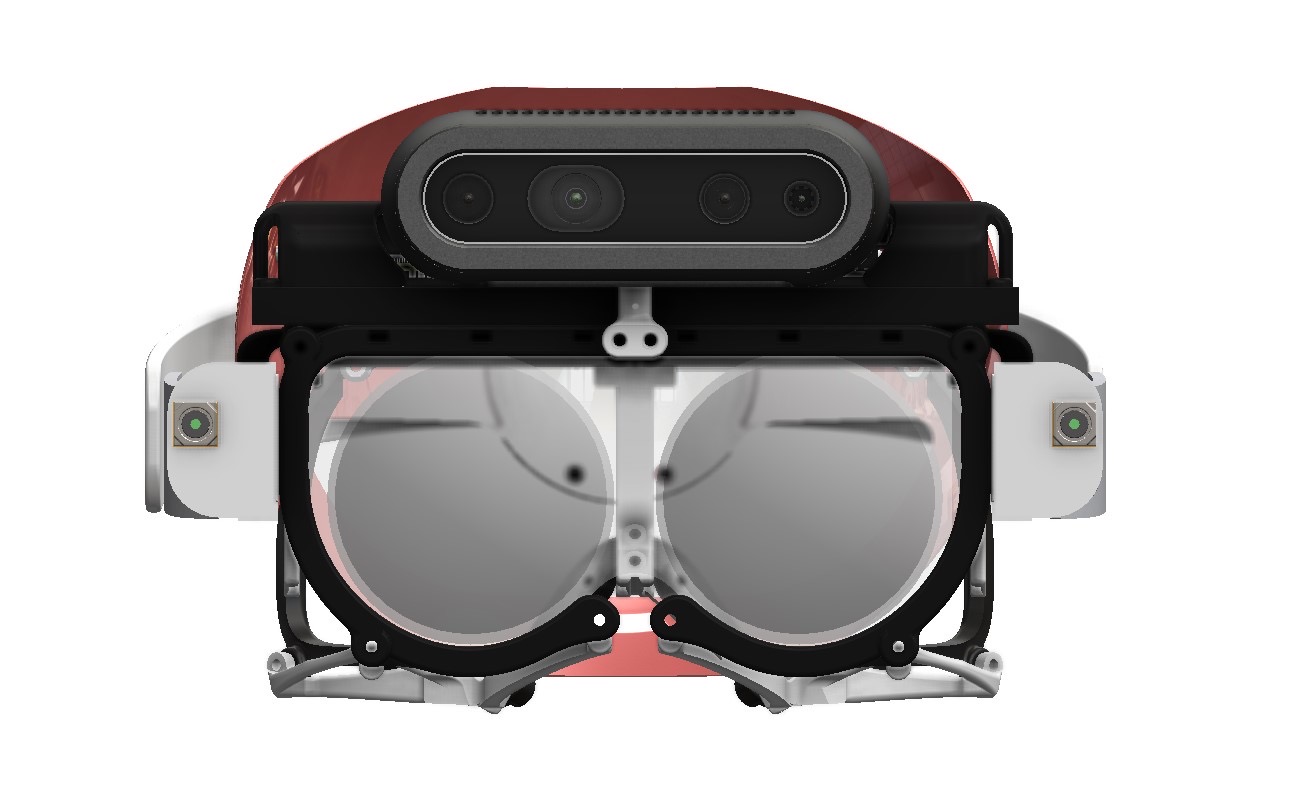
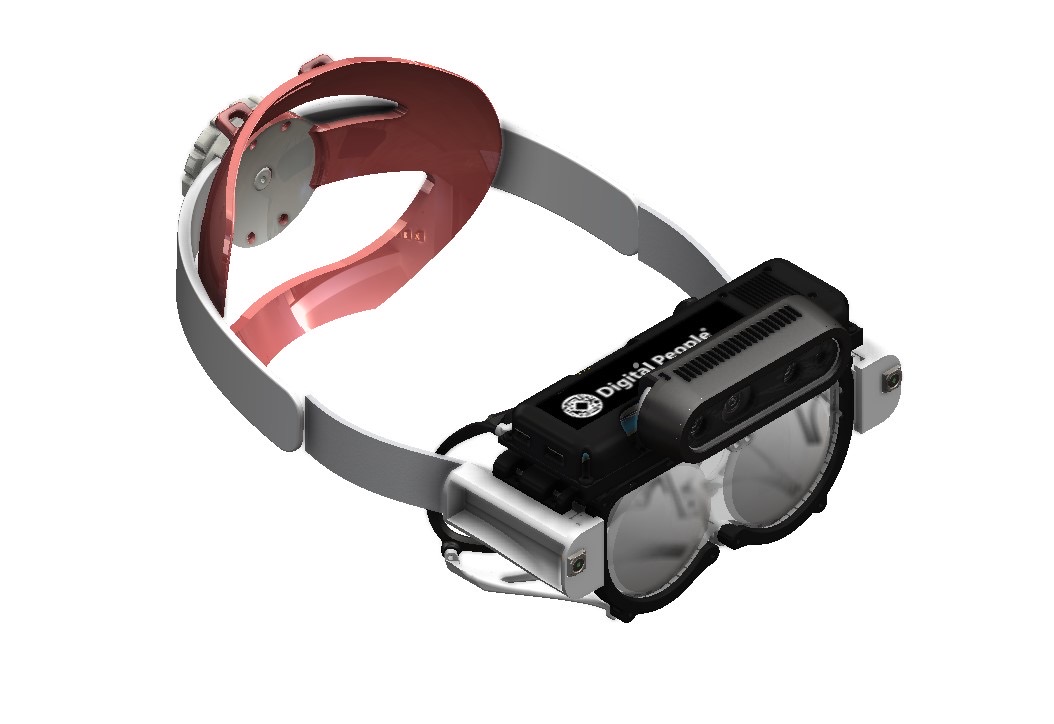
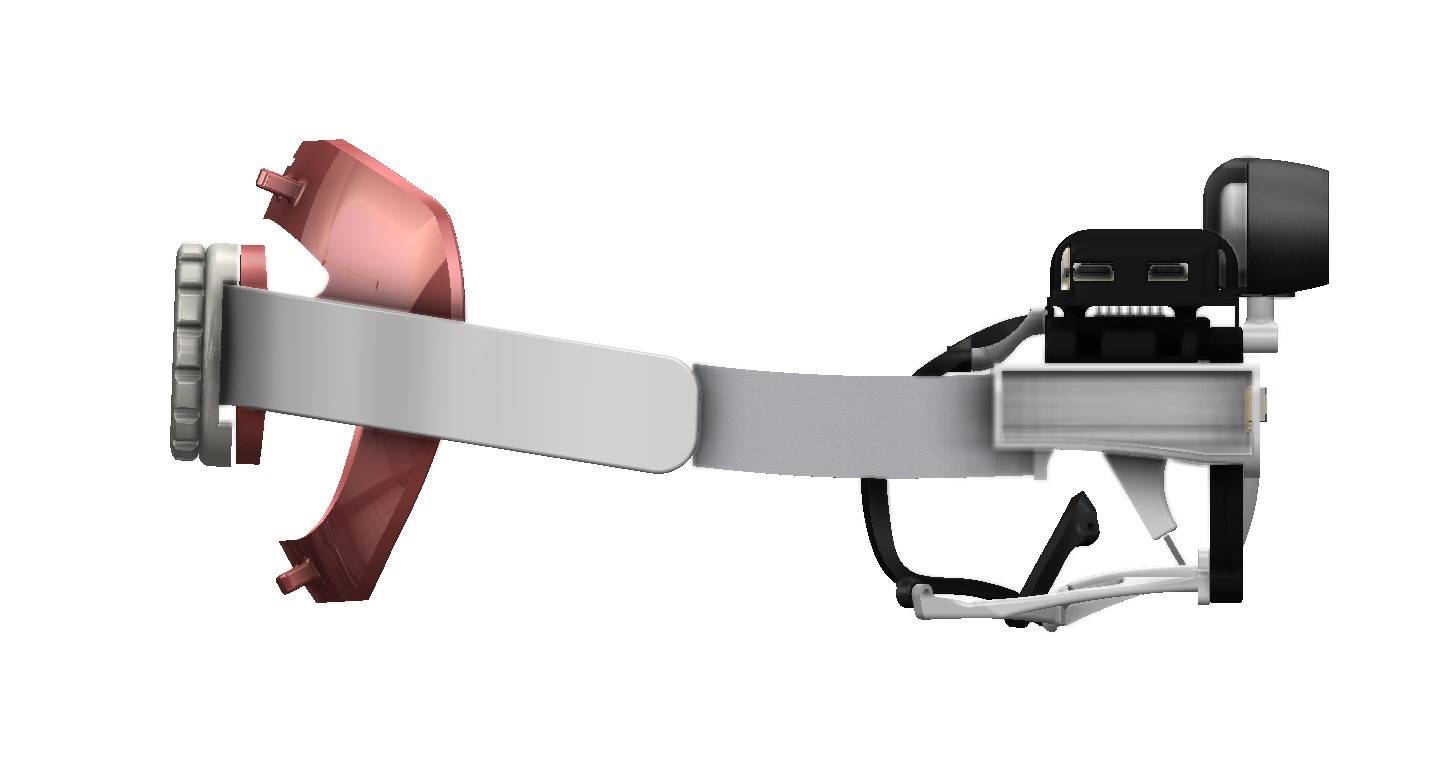
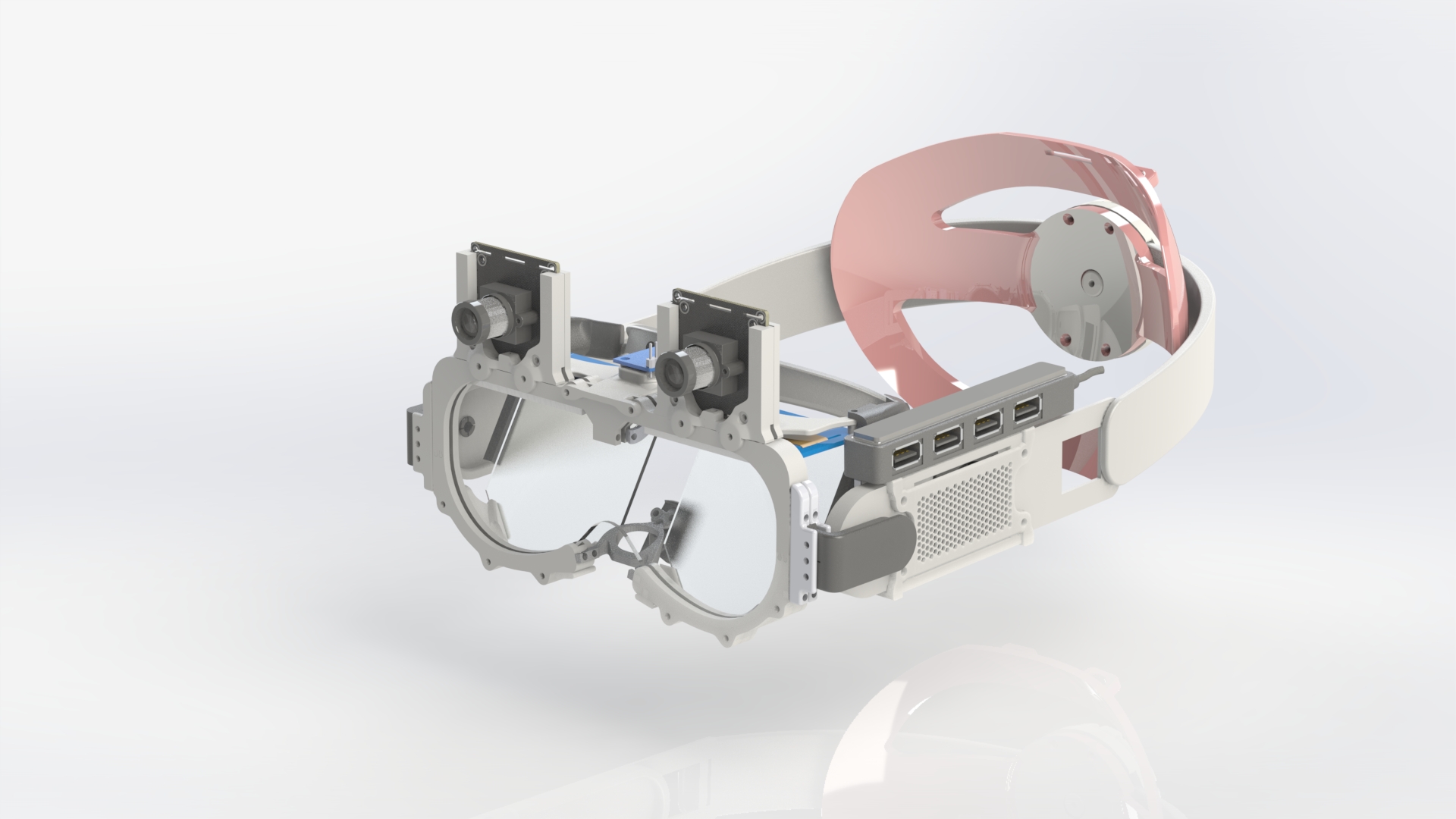
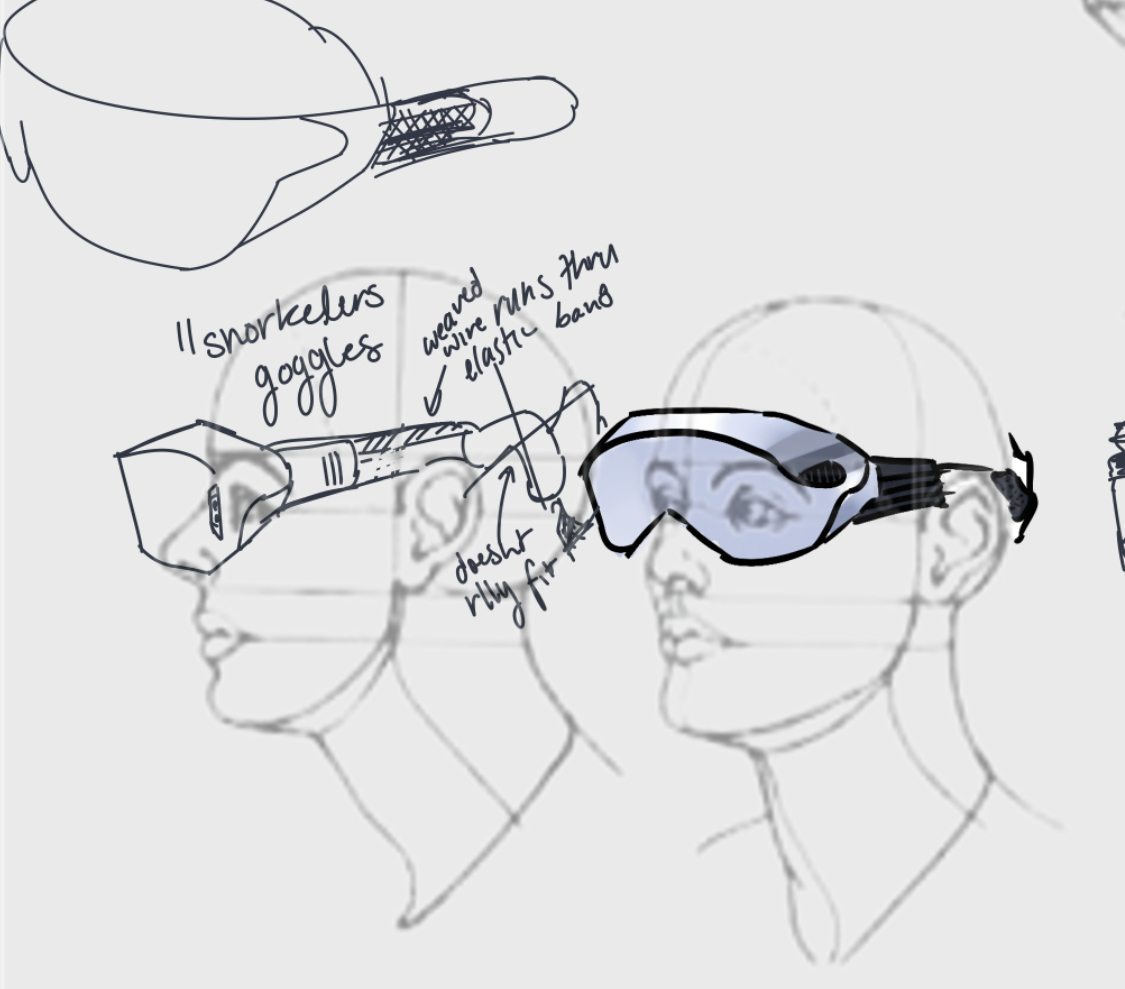
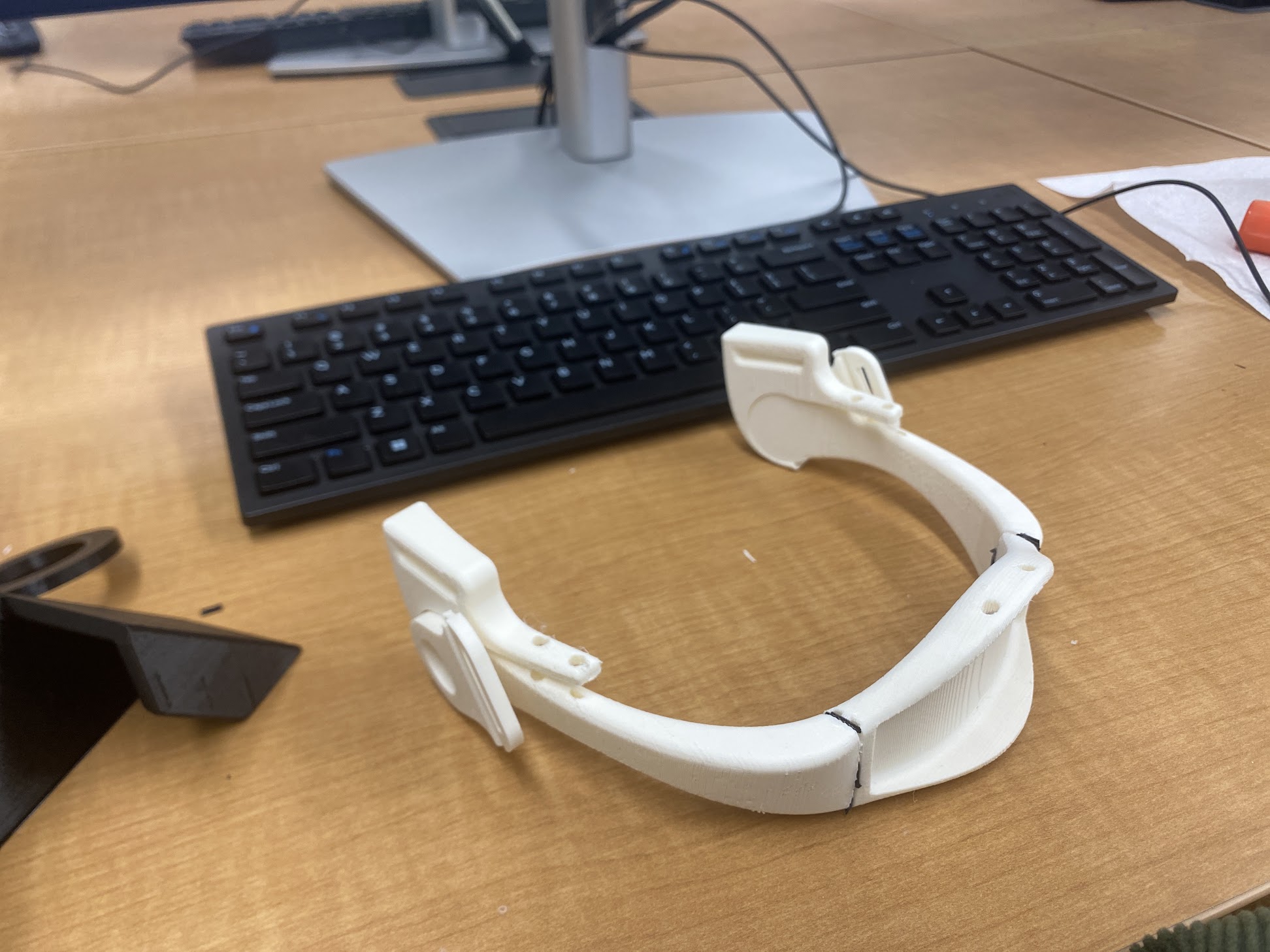
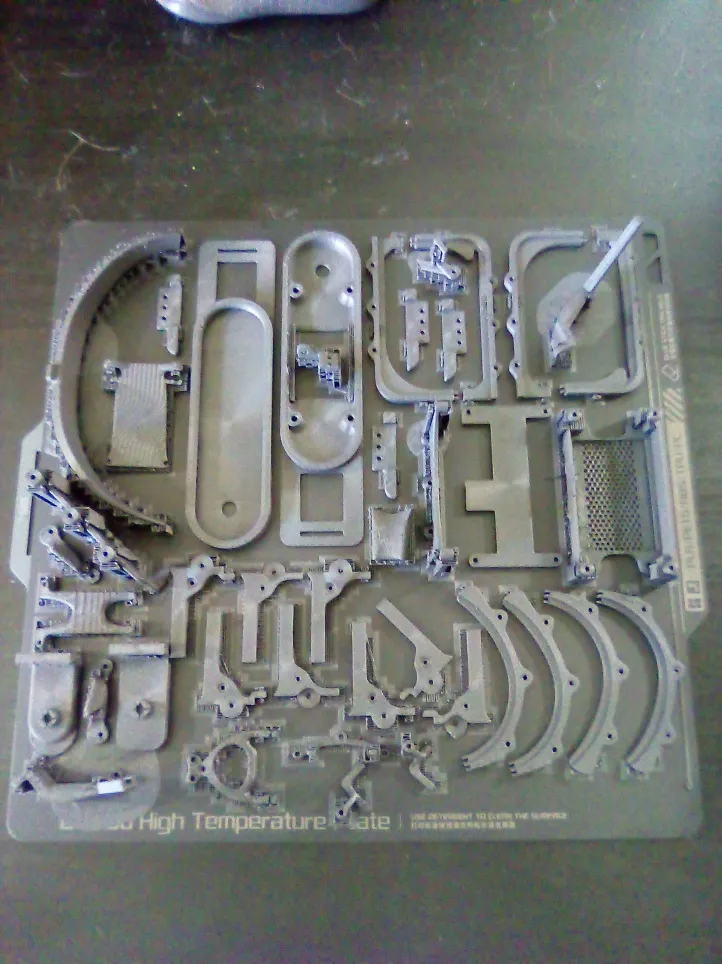
The project went through over 20 iterations across six months, with each prototype testing and improving specific parts of the design: 3D-printed optical systems, fit and assembly against a head model[8], and the laser projection PCBs.
The retinal projection required precise alignment of optics, which drove the custom optical system design and its wide field of view. The small eye-box was the other persistent problem, and the actuated lens positioning was the approach for it. Alignment is also where the project finally hit its wall: hobby printers hold tolerances measured in tenths of a millimeter, and the optics needed better than that by orders of magnitude.
Conclusion
The headset was shared with AR/VR developers and presented at meetups for feedback, and the platform is open source for anyone who wants to build on the parts that do work: the frames, the eye-tracking approach, the simulations, and the mirror-array geometry.
I'll pick this project up again once I learn more about graphics and rendering, and ideally once I have access to manufacturing that can actually hit the tolerances the optics demand.
Related Reading
-
Ray-optics sandbox - the 2D simulator used for the steering geometry.
-
DIY retinal projection - the writeup that proved this is buildable at home.
-
Bosch's laser smartglasses - the commercial take, and its one-eye limitation.
-
ISETBio - Stanford VistaLab's computational model of the human visual system.
-
Stanford Computational Imaging - the research group whose work frames the field.
.png)
.JPG)